
How Florida's Salt Air Damages Metal (and How to Protect Your Gates, Railings and Boat)
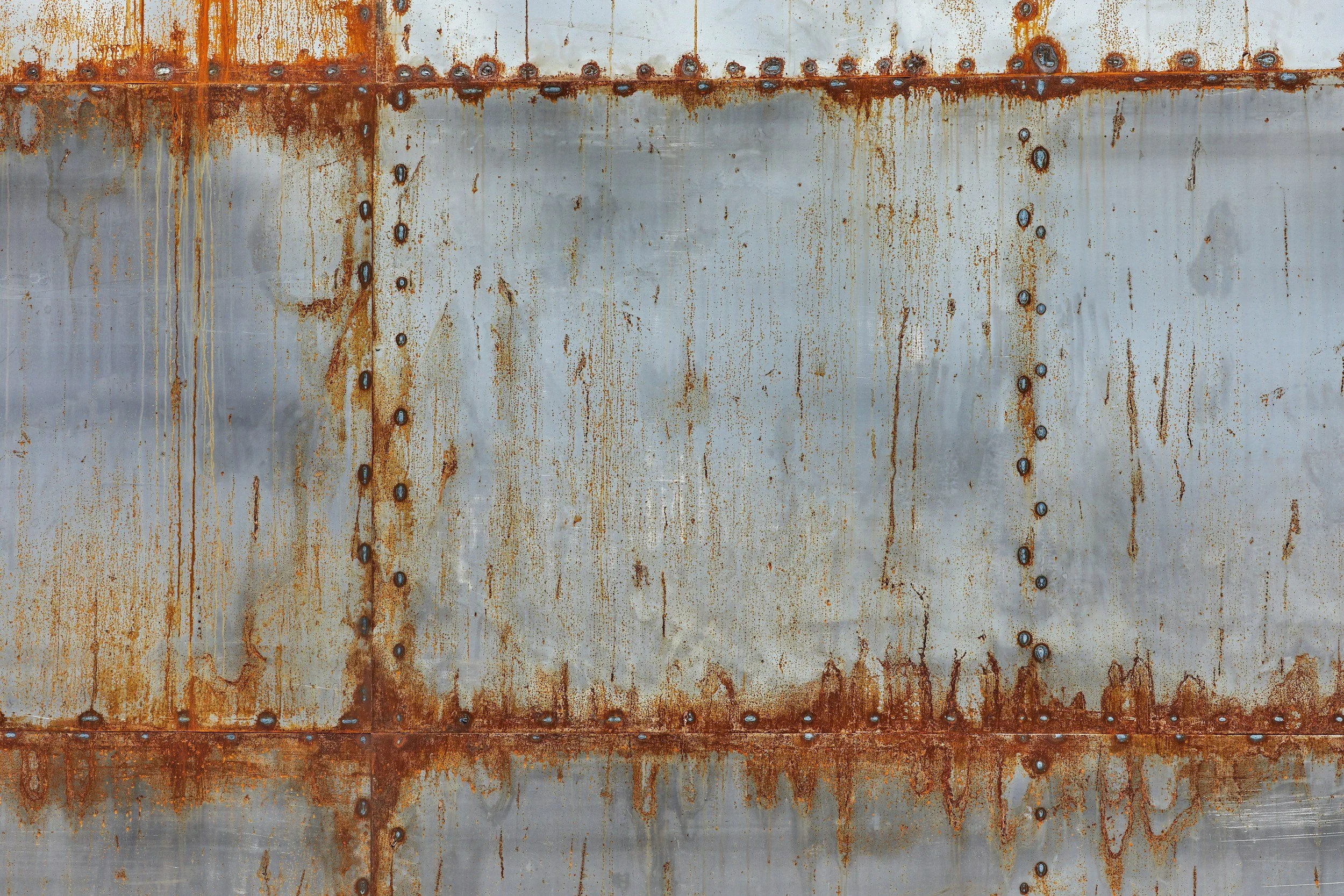
If you live near the coast in Jacksonville, you've seen it: orange streaks running down a railing, bubbling paint on a gate, pitting on a boat's stainless hardware. Salt air is one of the hardest environments metal can face, and in Northeast Florida it's part of everyday life.
The good news is that corrosion is predictable. Knowing how it happens makes it much easier to choose the right materials and catch problems before they turn into expensive repairs.
Why salt air is so hard on metal
Ocean air carries tiny particles of salt that settle on every surface near the coast. When humidity or rain adds moisture, that salt forms a film that conducts electricity and speeds up corrosion. Florida's heat and near-constant humidity mean that film rarely dries out completely.
It isn't just oceanfront homes, either. Salt spray can travel well inland on a breezy day, so properties across the beaches, along the Intracoastal and near the St. Johns River all deal with it.
How different metals hold up
Carbon steel is strong and affordable, but it rusts quickly in coastal air if it isn't protected. Once paint or coating is scratched or chipped, rust spreads underneath and can weaken welds and joints over time.
Stainless steel resists rust much better, but not all stainless is equal. Type 316 stainless contains molybdenum, which makes it far more resistant to salt than the more common Type 304. That's why 316 is the standard choice for marine hardware.
Aluminum doesn't rust the way steel does. It forms a thin protective layer on its surface, which is why it's so common for boats, gates and fencing in Florida. It can still pit and corrode in salt water, especially where it touches a different metal.
The hidden problem: mixing metals
When two different metals touch in the presence of salt water, one of them corrodes much faster than it would on its own. This is called galvanic corrosion. A steel bolt in an aluminum gate frame, or the wrong fastener on a boat rail, can cause damage that starts small and spreads out of sight.
An experienced welder chooses compatible metals, filler materials and fasteners from the start, so the repair doesn't create a new weak point.
Signs your metal needs attention
Watch for these early warning signs on gates, railings, stairs, trailers and boats:
- Rust stains or streaks running down from joints or bolts
- Bubbling, flaking or peeling paint or powder coating
- White, chalky buildup or small pits on aluminum
- Cracks around welds or brackets
- Gates that sag, drag or no longer latch properly
- Railings that feel loose or move when you lean on them. Loose railings and cracked welds are safety issues, not just cosmetic ones. If you notice them, have them inspected sooner rather than later.
How to make your metal last longer
- Rinse with fresh water. Hosing down gates, railings and boat hardware every few weeks washes away salt before it can do damage. After every trip on salt water, rinse your boat.
- Keep coatings intact. Touch up chips in paint or powder coating as soon as you see them, before rust gets underneath.
- Choose coastal-grade materials. For new projects, aluminum, 316 stainless and hot-dip galvanized steel hold up far better than bare or painted carbon steel.
- Use matching fasteners. Make sure bolts, screws and hinges are compatible with the metal they're attached to.
- Fix problems early. A small weld repair today costs much less than replacing a whole gate, staircase or boat rail later.
Coastal welding repairs from FTG
FTG Custom Fabrication & Welding has been repairing and building metalwork for Northeast Florida's coastal conditions since 2014. Owner Justin Morgan spent 15 years as a NAVSEA-certified welder on Navy ships and submarines, where corrosion resistance isn't optional.
Our mobile welding rig comes to you, whether that's your driveway, dock, marina or job site. We handle gate repair and installation, railings and staircases, marine welding and boat repair, and custom fabrication in aluminum, stainless and carbon steel.
Spotted rust or a failing weld? Call 904-553-3996 or request a free estimate.